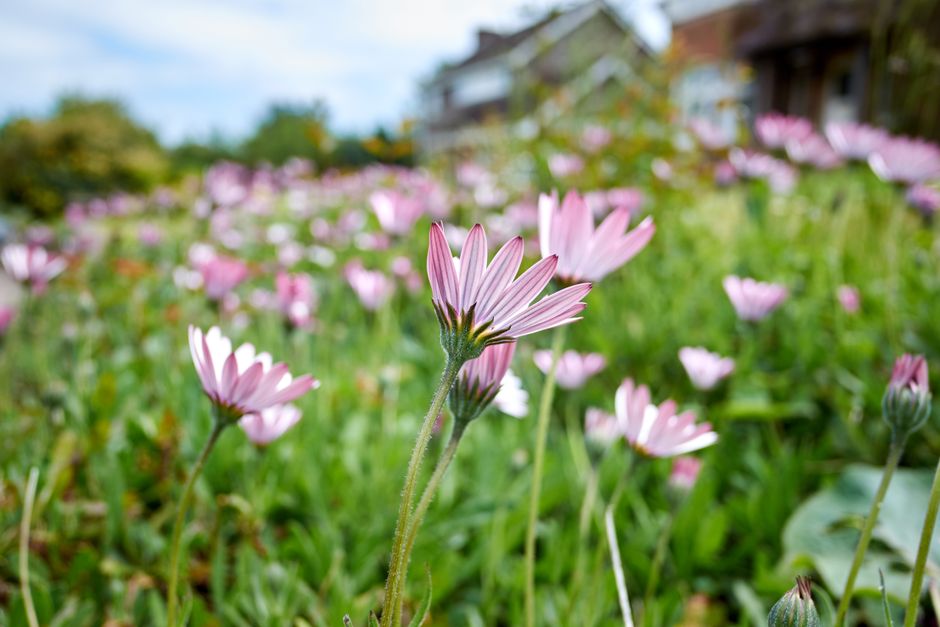
A country cottage garden is often as important as the house itself, yet many owners struggle to create landscapes that feel authentic and manageable. The key is working with your local environment rather than fighting it.
Understanding Your Setting
Rural gardens present different challenges than suburban ones. Exposed positions mean stronger winds, whilst tree-filled settings may create shade and root competition. Understand your soil type—clay, chalk, or sandy soils each suit different plants. Visit local gardens and observe what thrives naturally in your area. Plants that grow well locally require less maintenance and look more authentic.
Designing the Layout
Traditional cottage gardens blend informality with structure. Create clear zones: a more formal area near the house, wilder planting further away, and practical spaces for vegetables or composting. Curved paths feel more natural than rigid straight lines. Layer planting from tall trees through shrubs to ground-level plants. Leave some areas unmown for wildlife; this is both beautiful and practical.
Choosing Appropriate Plants
Cottage gardens traditionally feature perennials, shrubs, and flowering plants rather than annuals. Choose plants that return year after year, reducing maintenance. Roses, lavender, foxgloves, delphiniums, and honeysuckle are classics for good reason. Include early bulbs for spring interest. Plant native species to support local wildlife and ensure plants thrive without constant intervention.
Managing Wildlife
Rural gardens attract wildlife—often more than suburban ones. Rather than fighting this, embrace it. Create habitats for birds, bees, and hedgehogs through native plants, water features, and wild corners. Avoid pesticides that harm beneficial insects. A garden teeming with life feels alive and vibrant, adding to the cottage experience.
Practical Maintenance Considerations
Country cottages often have large gardens that can become overwhelming. Design for manageable maintenance by choosing hardy plants, mulching to reduce weeding, and grouping plants with similar water and feeding needs. Consider what you genuinely enjoy—if you dislike mowing, reduce lawn areas. If you love vegetables, dedicate proper space. Align your garden design with your lifestyle.
Adding Character Features
Cottage gardens benefit from character features: a rustic arbour, stone paths, a small pond, or seating areas. These needn't be expensive—reclaimed materials work beautifully. A simple bench positioned to view the garden creates a focal point and encourages you to sit and enjoy your space. Weathered fencing and rustic gates enhance the cottage aesthetic without requiring perfection.
